The all "new" Apple Airpods Max 2

Ayush Dhoj Bista
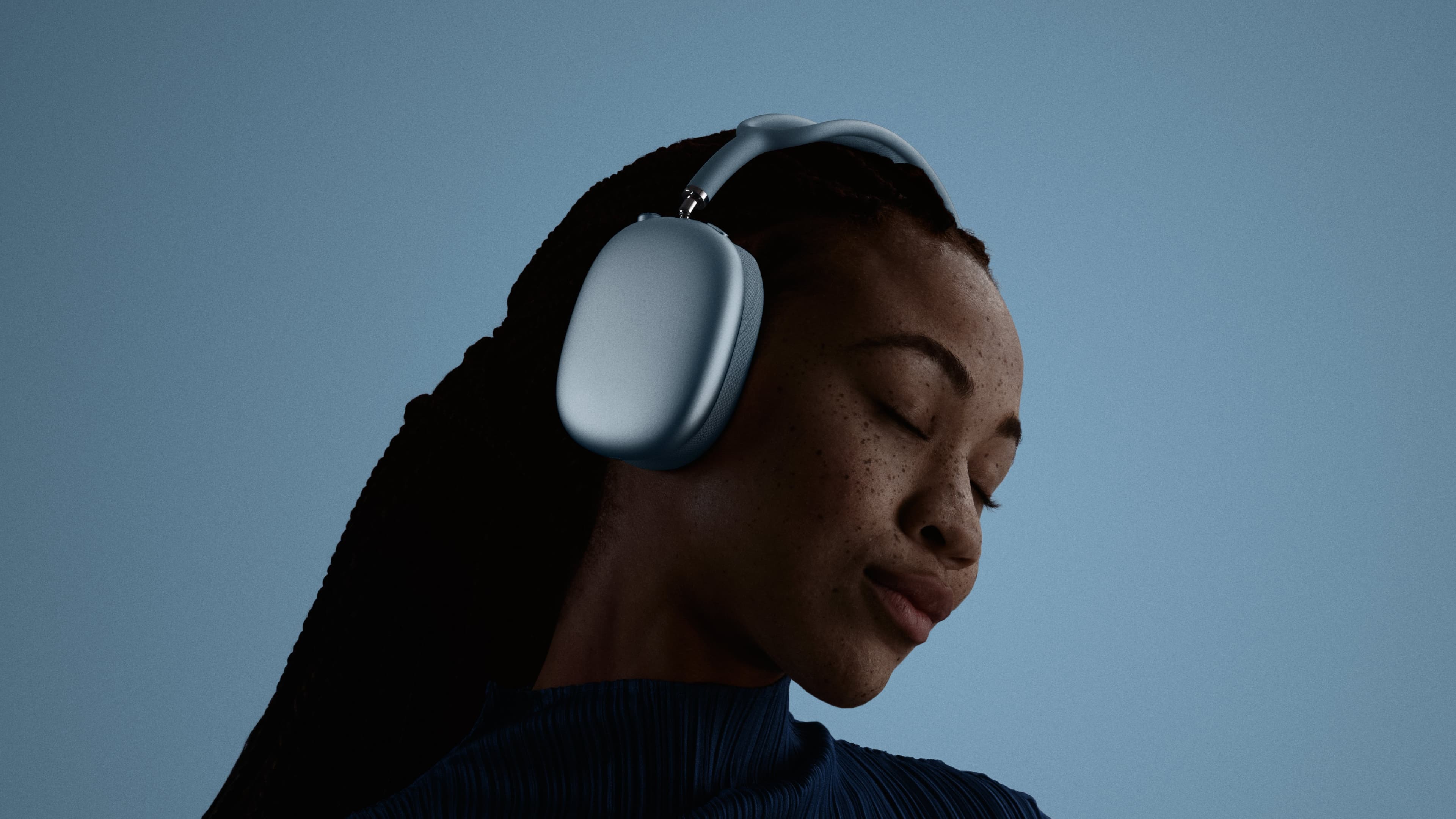
Airpods Max 2|www.apple.com
Apple has quietly expanded its premium audio lineup with the launch of AirPods Max 2, a major refresh to its over‑ear headphones that focuses on smarter features and higher‑fidelity sound. The new model, priced at $549, promises up to 1.5 times more Active Noise Cancellation than the original AirPods Max, thanks to Apple’s H2 chip and updated computational audio algorithms. Apple says the headphones deliver richer bass, more natural vocals, and a wider soundstage, supported by a retuned Adaptive EQ and Personalized Spatial Audio with dynamic head tracking. Lossless Audio and ultra‑low‑latency sound are now available over USB‑C, targeting both audiophiles and gamers.
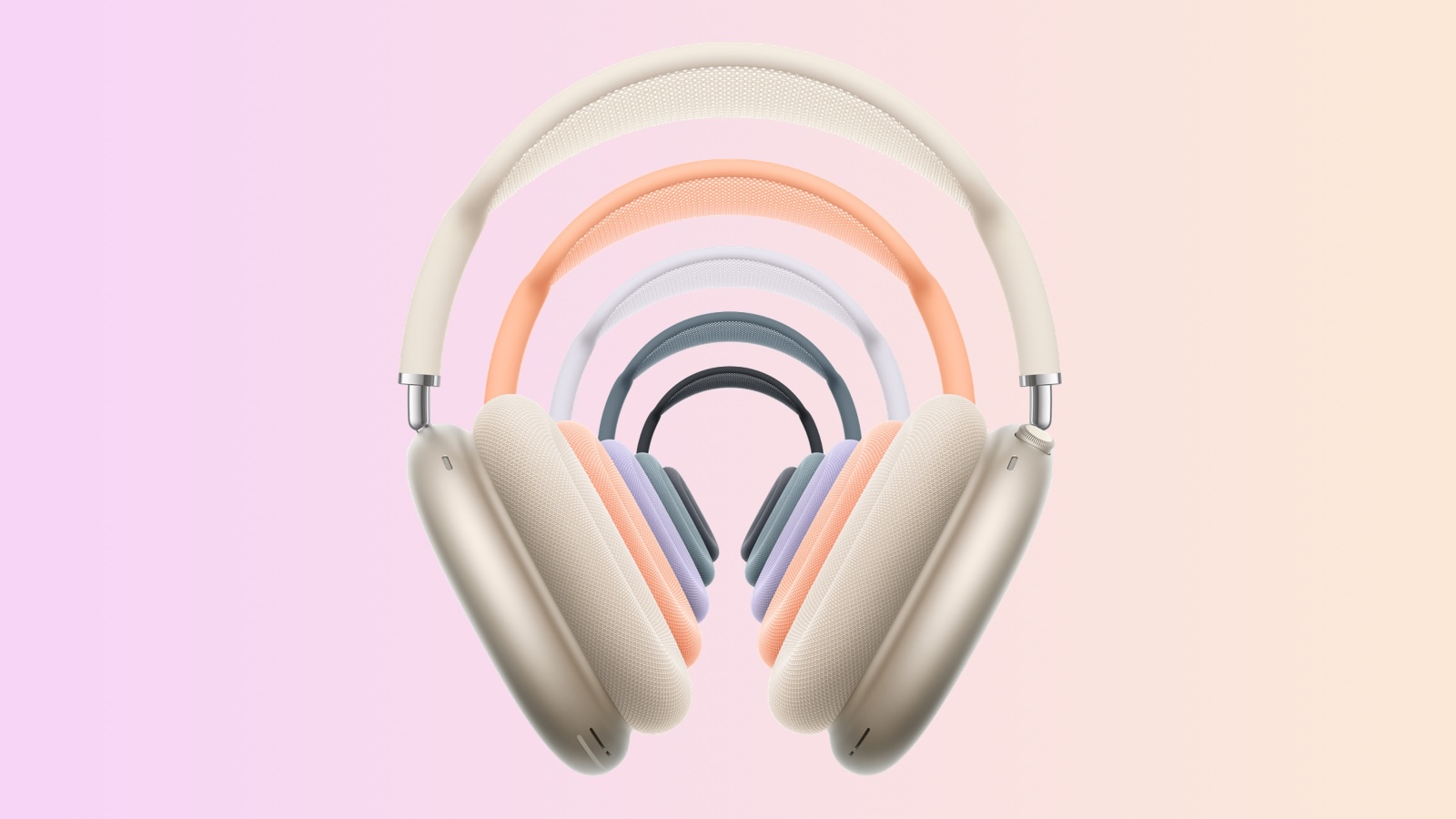
Beyond sound quality, AirPods Max 2 double down on “intelligent” features tightly integrated with Apple’s broader ecosystem. New capabilities include Live Translation powered by Apple Intelligence, which can translate conversations into a user’s preferred language, as well as Conversation Awareness that automatically lowers audio and amplifies nearby voices when the wearer starts speaking. Loud Sound Reduction and Personalized Volume aim to adapt listening levels to different environments over time. With up to 20 hours of listening time with noise cancellation and Spatial Audio enabled, USB‑C charging, a Smart Case for ultra‑low‑power storage, and five new colors, AirPods Max 2 position themselves as Apple’s most advanced personal listening device to date.
It remains unclear whether Apple has adequately addressed the previous issues.
Some wide known issues were:
Condensation Buildup: A widely reported "condensation death" issue where moisture accumulates inside the aluminum ear cups after even short periods of use, potentially leading to hardware failure or connectivity drops.
Excessive Weight: At roughly 385 grams, the heavy stainless steel and aluminum construction often causes neck fatigue or "head dents" during long listening sessions.
Headband Sagging: The mesh canopy on the headband tends to lose tension and "sag" over time (typically after 18–24 months), causing the metal frame to rest directly on the user's head.
Inadequate Smart Case: The included case provides minimal protection for the headphones and is required to put them into an "ultra-low-power" mode since there is no physical power button.
However, it appears that one issue has been resolved: Lossless Audio and ultra-low-latency sound are now available over USB-C.