Nokia, probably the biggest comeback

Ayush Dhoj Bista
Nokia, The Winner|tbh
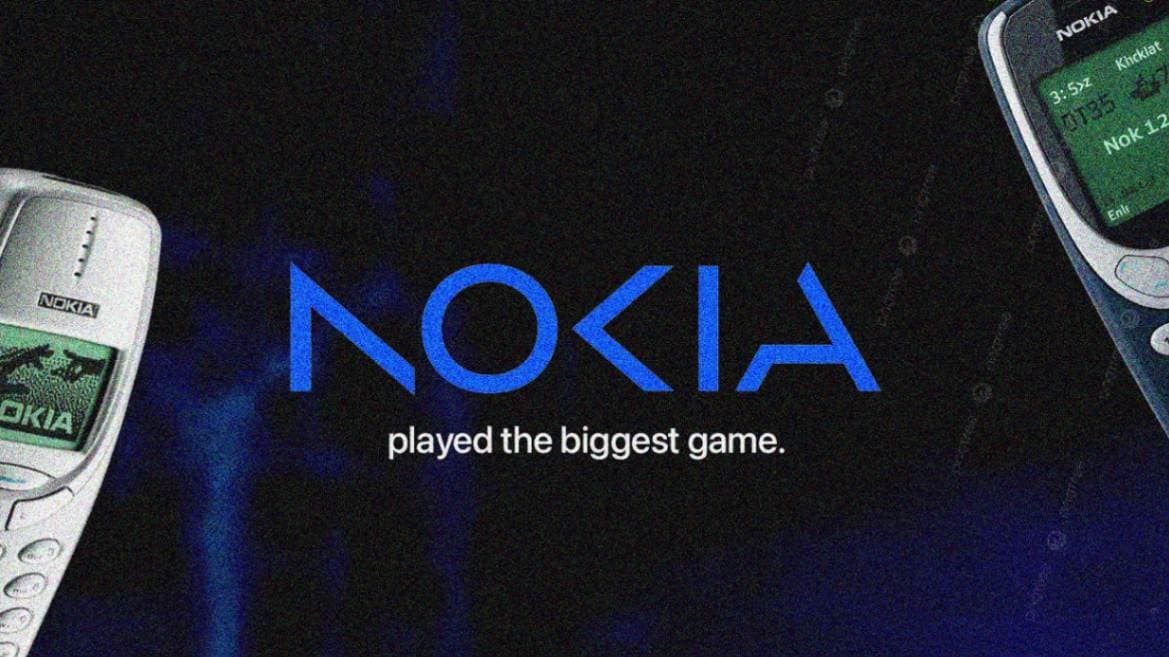
For many, Nokia’s story is over when their phones vanished from the shelves. The company that once sold almost half the world’s phones, set the stage with the 3310, and ruled the smartphone world in the mid-2000s seemed to just fade away.
What actually happened is more deliberate and more interesting.
Nokia didn’t quite get how big the iPhone and Android would become. The executives thought Apple’s touchscreen phone was too delicate and only for a small group, and their own “iPhone killer,” the N97, came with software that was buggy and a weak app scene. By 2012, smartphone sales had dropped, and the stock had lost 98% of its value from when it was at its highest. It was obvious that the phone business was in trouble.
That is precisely when Nokia chose to sell it.
Back in 2013, Nokia decided to sell its phone division to Microsoft for $7.2 billion. On the surface, it seemed like a defeat. But really, it was a smart move to get rid of a struggling business while it still had some worth and to shift the company’s focus to something else. Just over two years later, Microsoft had to write off $7.6 billion on that deal and lay off thousands of people. The Nokia unit they bought turned out to be almost worthless, which really showed how much the phone business was in trouble.
Nokia, on the other hand, emerged with a tidy sum, valuable patents, and something that many had overlooked: a network infrastructure business it had been developing quietly for years. Instead of focusing solely on phones, Nokia decided to strengthen its networks, which are essential for every phone.
That quiet pivot is what set up the next chapter, with NVIDIA.
By 2025, Nokia was a major player in 5G networks, while NVIDIA led the AI boom in data centers but lacked a foothold in the $3 trillion telecom industry or the millions of cell towers needed for AI at the edge. NVIDIA sought a partner with infrastructure capable of running AI workloads directly on its chips without dismantling existing systems.
Nokia met this requirement better than anyone.
At NVIDIA’s GTC conference in Washington in late 2025, Jensen Huang announced a $1 billion investment in Nokia, making NVIDIA its largest shareholder. This strategic bet involved NVIDIA’s AI chips and Nokia’s radio networks and “inline” architecture, which could host AI on tower sites. Together, they aimed to build AI-powered RAN: cell sites that process data in real time.
For today’s networks, smarter signal optimization and lower energy use are crucial. For tomorrow’s autonomous cars, robots, drones, and AI assistants that need instant responses, intelligence must be run where the signal lives, not in distant data centers. Nokia’s CEO likened it to putting an AI data center in everyone’s pocket.
The market grasped the importance. Nokia’s stock surged after the announcement, and T-Mobile became the first customer for AI-RAN trials starting in 2026. Analysts predict an AI-RAN market worth hundreds of billions of dollars by 2030, with NVIDIA and Nokia at the forefront if the bet succeeds.
So did Nokia really fail?
Nokia lost the smartphone race, but their decisions afterward changed the picture. They recognized a dying business, sold it while valuable, and rebuilt around a more durable core. A decade later, NVIDIA wagered $1 billion on Nokia as a pillar of AI-driven networks.
The phones are gone, but the company remains.