Samsung Facing Unprecedented Return Rates for Galaxy S26 Ultra

Ayush Dhoj Bista
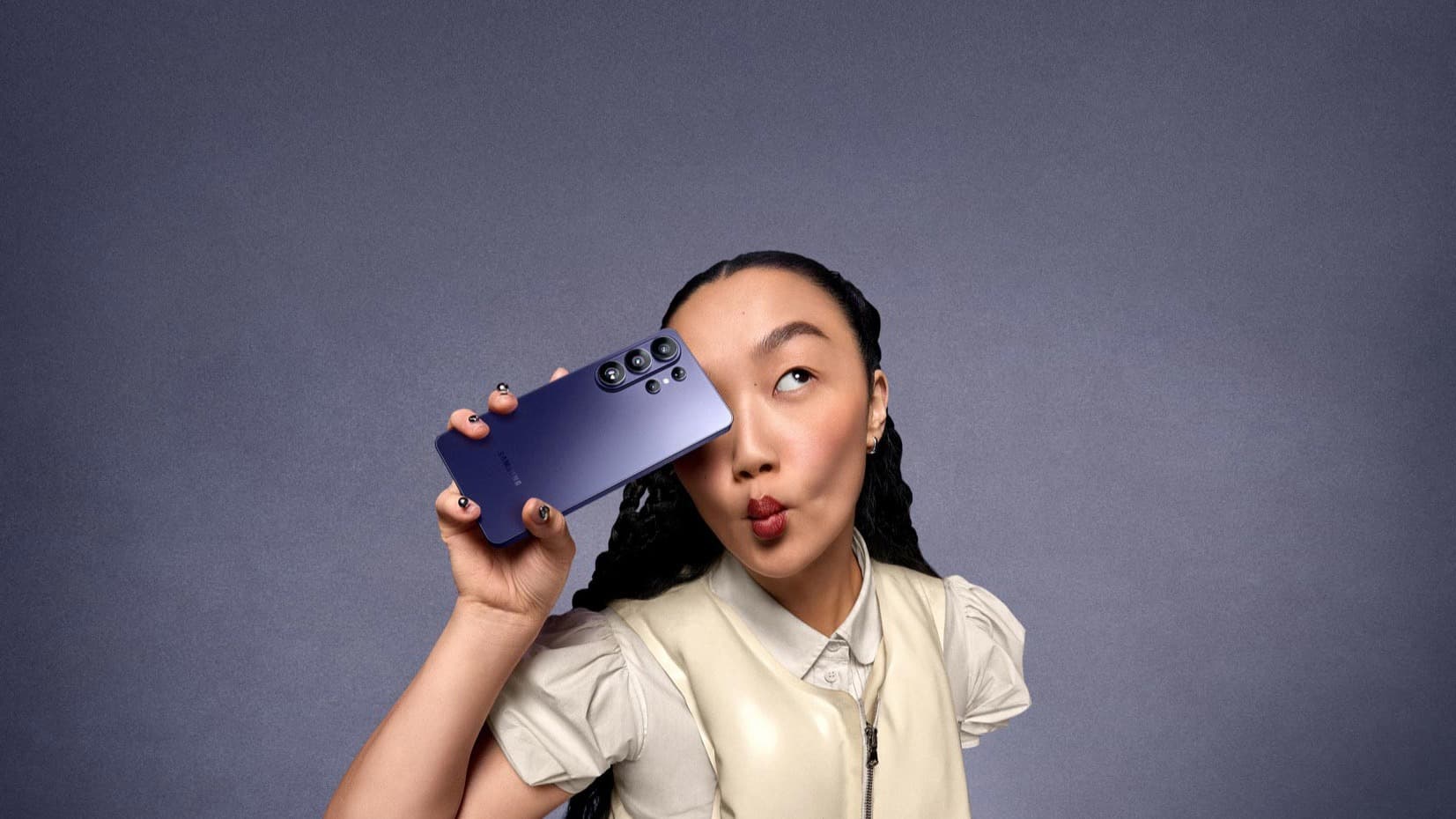
Samsung S26U|https://www.samsung.com/us/smartphones/galaxy-s26-ultra/
Just weeks after its global launch, Samsung’s flagship Galaxy S26 Ultra is facing a wave of consumer backlash, with retail reports suggesting return rates are at an all-time high for the S-series.
It appears that not only Reddit and X are inundated with such posts and comments, but Samsung’s Community has also been significantly impacted. This situation has finally garnered Samsung’s attention. We hope that they will provide a solution or at the very least, an explanation for the underlying reasons behind this issue.
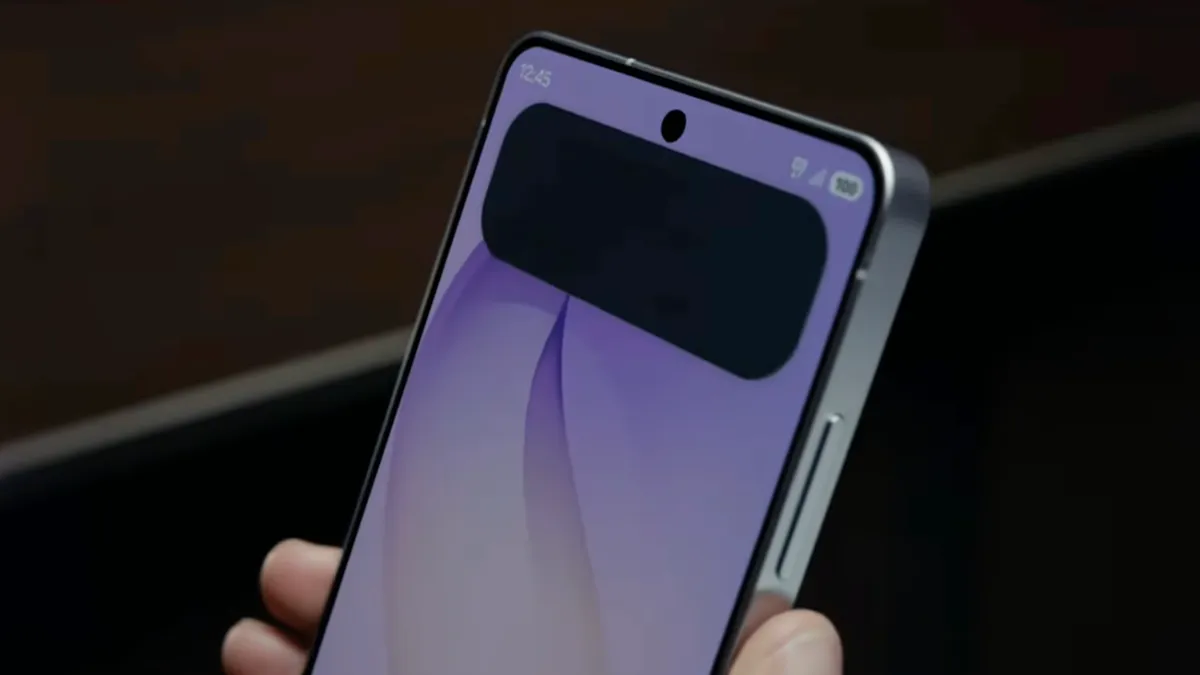
The primary culprit? The much-hyped "Privacy Shield" Display.
The "3DS Effect" Backfires
Marketed as a revolutionary security feature that prevents over-the-shoulder snooping, the S26 Ultra’s new display technology is receiving scathing reviews from early adopters. Users describe an "unnatural shimmering" or "lenticular effect" similar to early 3D handheld consoles.
"I can't even show my wife a photo on my phone without her saying it looks blurry from her angle," says one viral post on Reddit’s /r/Samsung. Reports of eye strain, headaches, and a perceived loss in contrast have flooded support forums, overshadowing the phone’s powerful Snapdragon 8 Elite Gen 5 processor.
Emergency Retention Tactics
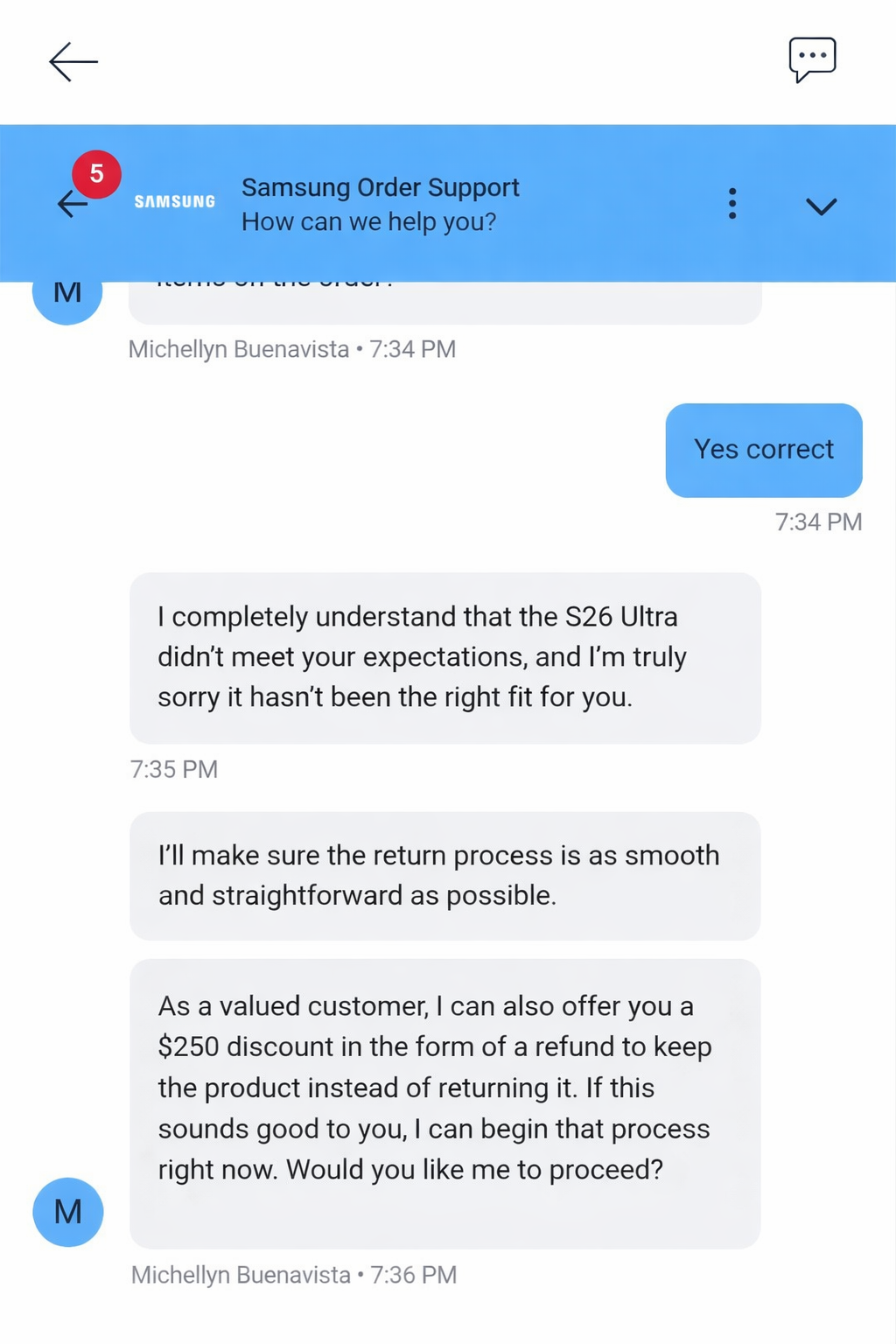
Internal leaks suggest Samsung has entered "emergency management" mode to stem the tide of returns. Sources indicate that customer service representatives are now authorized to offer "Retention Credits" of up to $250 or high-value store vouchers to users who agree to keep their handsets.
The "Incremental" Frustration
Beyond the screen issues, critics argue the S26 Ultra feels like a "placeholder" device. With the same 200MP sensor and 5,000mAh battery capacity seen in previous years, consumers are finding the $1,300 price tag difficult to swallow, especially when the signature new feature—the display—is being widely panned.
What This Means for Samsung
While Samsung has not yet released official figures, industry analysts warn that this could be the brand's biggest PR hurdle since the Note 7. Experts expect a software patch to address the display's polarizing filters, but many fear the issue is baked into the hardware itself.
Some major electronics retailers in North America and Europe have noted return rates as high as 15% to 20% within the first 14 days of launch. For comparison, typical flagship return rates usually hover below 5%.