Increased or Decreased ? EV tax in Nepal.

Ayush Dhoj Bista
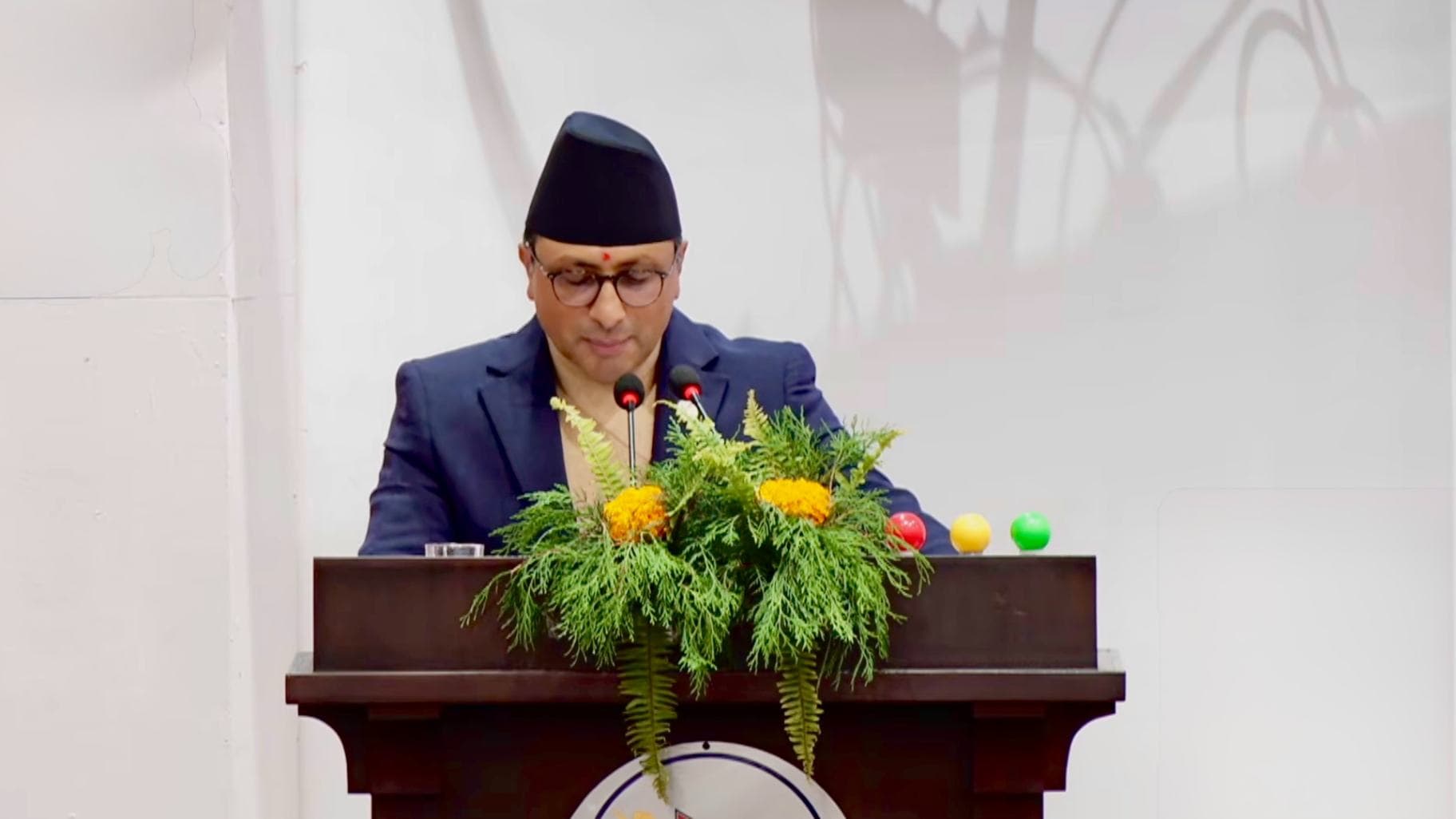
Dr. Swornim Wagle, Budget brief 2083/84|Youtube Live Stream
Nepal’s government has fundamentally changed how it taxes electric vehicles. Instead of using the motor’s peak power in kilowatts (with previous slabs like 0–50 kW, 51–100 kW, etc.), EV taxes will now be calculated based on the vehicle’s purchase price.
Finance Minister Dr. Swornim Wagle announced this shift in the 2026–27 national budget, explaining that customs duties on EVs will move to a value-based system. Alongside this, the government is introducing a clean infrastructure investment fee at the import stage to help fund local EV production, charging stations, and battery management systems.
This reform follows years of criticism of the kW-based system. The Office of the Auditor General had flagged inconsistencies and called for clearer standards and alternatives. Similarly, the Department of Transport Management and the Department of Customs had recommended a price- and size-based system, arguing it would be more transparent and practical. After internal reviews and high-level consultations, the Ministry of Finance has now officially implemented the price-based EV tax model.