Did the revised EV tax change anything?

Ayush Dhoj Bista

Xpeng|Xpeng
The government’s intent is clear: keep cheaper EVs accessible (the 2.5% levy on sub-Rs 20 lakh vehicles is genuinely reasonable), while using higher levies on expensive EVs to fund charging infrastructure and battery recycling systems. The policy makes sense on paper. But in practice, it means anything globally priced above ~$15,000 gets significantly more expensive in Nepal — which rules out most of the interesting EVs entering the market right now.
Everyone keeps talking about how Nepal removed excise duty on EVs, and yes, that is genuinely good news. But there are new fees sitting quietly in the fine print, and for mid-to-premium EVs they add up fast. So let’s walk through exactly what it looks like using a real example: the Xpeng G6.
How the New System Works
Nepal’s revised EV tax structure now has five components:
1. No excise duty. It’s been removed entirely.
2. 20% customs duty, applied on the CIF value (cost of the car plus insurance and freight to Nepal’s border).
3. 2% infrastructure fee, also applied directly on the CIF value.
4. A clean infrastructure levy, a tiered fee applied on the value after customs and the infrastructure fee are added. This is the part that gets painful.
5. 13% VAT, applied on the total after all the above.
The clean infrastructure levy tiers look like this:
• Up to Rs 20 lakh: 2.5%
• Rs 30 to 40 lakh: 15%
• Rs 40 to 50 lakh: 70%
• Above Rs 50 lakh: 110%
Those higher tiers are not a typo. The jump from 15% to 70% is steep, and it catches a lot of otherwise affordable EVs.
Real Example: Xpeng G6 at $24,000 (Which I bought bank in 2024)
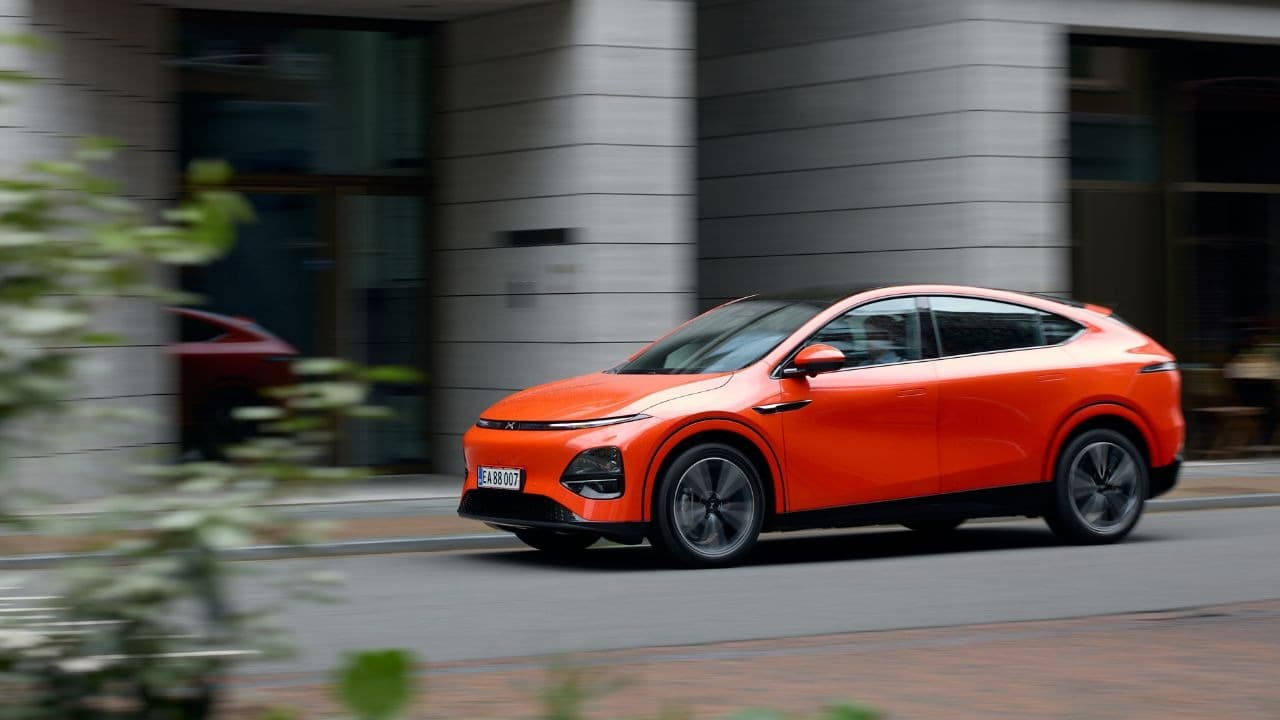
The Xpeng G6 is a solid mid-range EV from China, well-specced and reasonably priced by global standards and does not fall under luxury segment. Say it arrives in Nepal with a CIF value of $24,000. Here is what happens to that number step by step.
Exchange rate used: Rs 153 per USD (as of May 2026)
Step 1: Convert to NPR
$24,000 x Rs 153 = Rs 36,72,000 (roughly Rs 36.7 lakh)
Step 2: Add 20% Customs Duty
Rs 36,72,000 x 20% = Rs 7,34,400
After customs: Rs 44,06,400
Step 3: Add 2% Infrastructure Fee (on CIF)
This fee is calculated on the original CIF value, not the post-customs figure.
Rs 36,72,000 x 2% = Rs 73,440
After customs and infrastructure fee: Rs 44,79,840 (roughly Rs 44.8 lakh)
Step 4: Apply the Clean Infrastructure Levy
At Rs 44.8 lakh, the G6 still sits in the Rs 40 to 50 lakh bracket, so the levy rate is 70%, applied on the post-customs and post-fee value.
Rs 44,79,840 x 70% = Rs 31,35,888
After levy: Rs 76,15,728 (roughly Rs 76.2 lakh)
Step 5: Add 13% VAT
VAT is calculated on the full amount after all previous charges.
Rs 76,15,728 x 13% = Rs 9,90,045
After VAT: Rs 86,05,773 (roughly Rs 86.1 lakh)
Total Landed Cost Before Any Profit
• CIF Value: Rs 36,72,000
• Customs Duty (20%): Rs 7,34,400
• Infrastructure Fee (2% on CIF): Rs 73,440
• Clean Infrastructure Levy (70%): Rs 31,35,888
• VAT (13%): Rs 9,90,045
• Total: Rs 86,05,773
A car that costs $24,000 internationally lands in an importer’s hands at nearly Rs 86.1 lakh before profit, dealer margin, or registration fees are added.
That is 2.3 times the original price, purely in taxes and fees.
Why the Numbers Stack Up So Fast
The key thing to understand is that each charge is applied on top of the previous one. The clean infrastructure levy is not calculated on the car’s original price. It is calculated after customs and the infrastructure fee have already been added, so the base is already inflated before the 70% levy kicks in. Then VAT goes on top of that.
The G6 is a good example because it is not a luxury car by global standards. At $24,000 it is a mainstream vehicle. But because of where the post-customs value lands in Nepal’s levy brackets, it ends up being taxed like one.
Once you add importer profit, dealer markup, and registration, a $24,000 Xpeng G6 would likely retail somewhere around Rs 95 lakh to Rs 1 crore or above in Nepal, Which if all the calculations are true, is a nearly 10-15% jump from previous price.
Exchange rate: ~Rs 153/USD as of May 2026. All figures are estimates based on publicly available tax structure. Actual import costs may vary based on declared CIF value and customs assessment.