EV Taxes revised, Here's the breakdown.

Ayush Dhoj Bista
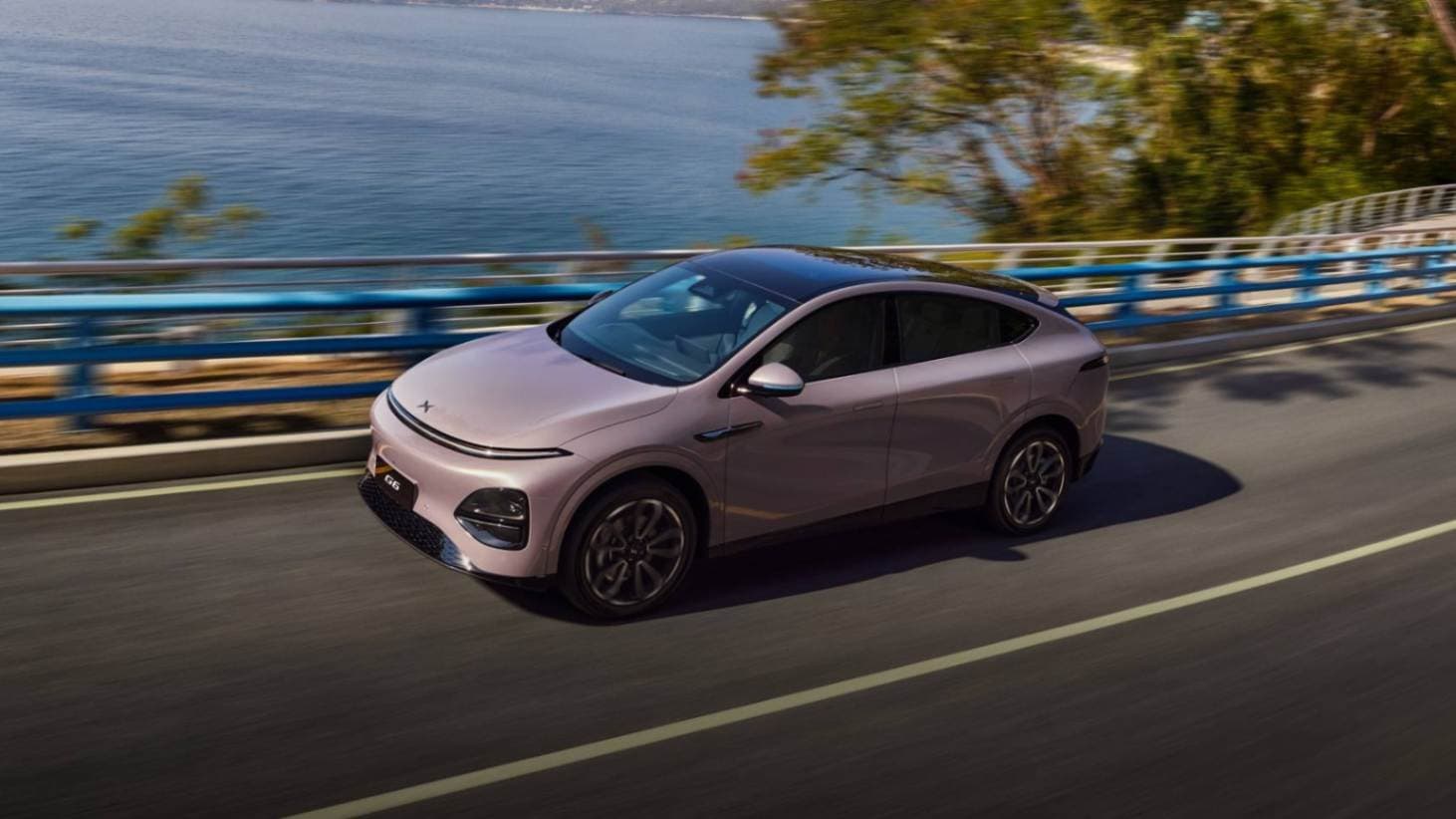
Xpeng G6|Xpeng
What changed overall?
Nepal has removed excise duty on electric vehicles (EVs) and completely redesigned how EVs are taxed. Instead of focusing on motor power (kW), the system is now based on the price/value of the vehicle plus a new “clean infrastructure” fee.
So three big things:
No more excise duty on EVs
A flat 20% customs duty on all EV imports
A new extra fee (clean infrastructure levy) that gets higher for expensive EVs
1. Excise duty: gone
Before, EVs had to pay excise duty (a kind of extra tax on certain goods).
Now, that excise duty on EVs has been scrapped entirely. That part is good for EV importers and can help keep prices from rising too much.
2. Customs duty: flat 20% on all EVs
At the import stage, every electric vehicle now pays a 20% customs duty on the CIF value (CIF = Cost + Insurance + Freight, i.e., the total landed cost of the vehicle at the border).
So:
First, they calculate the CIF value.
Then apply 20% customs duty on that amount.
This is the same for all EVs, regardless of motor power.
3. New “clean infrastructure investment fee”
This is the big new piece. On top of customs duty, the government adds a clean infrastructure levy. This money is meant to fund things like:
Charging stations
Battery management and recycling systems
Other EV-related infrastructure in Nepal
This levy is based on vehicle value, and it is tiered:
EVs up to Rs 20 lakh → 2.5% levy
EVs between Rs 30–40 lakh → 15% levy
EVs between Rs 40–50 lakh → 70% levy
EVs above Rs 50 lakh → 110% levy
Important details:
The levy is charged after customs duty is added (so it’s on the “taxable value after customs”). That makes expensive cars much more expensive overall.
4. No more motor power-based system
Previously, EV taxes were linked to motor peak power (kW). Now:
Motor power is no longer used for import taxation.
Everything is tied to the declared value/price of the vehicle instead.
They’ve also merged EVs into a single HS code (8703.80.91), so the customs classification is simpler.
What this means in practice
For cheaper EVs (under Rs 20 lakh):
They pay 20% customs + a relatively small 2.5% clean infrastructure levy.
These might stay relatively affordable.
For mid- and higher-end EVs:
As the price crosses Rs 30 lakh, 40 lakh, and especially 50 lakh, the extra levy jumps sharply (15%, 70%, 110%).
That means premium EVs can become much more expensive compared to cheaper ones.
The government removed excise duty and simplified customs duty to a flat 20%, but introduced a strong value-based clean infrastructure fee that keeps small/cheaper EVs relatively accessible while heavily taxing expensive EVs, and fully shifts the system from motor power to vehicle price.